With costs up to 10 times cheaper, sales of electric trucks doubled in the first half of 2025.
LANDKING leads Uruguay’s electric utility vehicle market (40% share). EVs cut operating costs by 90% vs. diesel, driven by economic benefits and Uruguay’s 94% renewable grid.
LANDKING leads the sector with a 40% share, followed by JAC with 27% and Hyundai with 25%.
A light truck traveling 100 km per day spends about $1,800 per month on electricity, compared to more than $22,000 on diesel. This difference in operating costs is driving a quiet but powerful transformation: the electrification of commercial fleets.
The market clearly reflects this upward trend. According to recent data from Autodata, sales of electric utility vehicles doubled in the first half of 2025 compared to the same period in 2024. LANDKING leads with a 40% share, followed by JAC with 27% and Hyundai with 25%. According to data from the Energy Indicators report (May 2025) published by SEG Ingeniería, sales of electric light utility vehicles in Uruguay registered a 61% growth between December 2024 and May 2025, compared to the total achieved during all of 2024.
The economic benefits are clear. An electric utility vehicle can reduce the cost per kilometer traveled by up to 90% compared to its diesel counterpart. Furthermore, maintenance is simpler and cheaper: with no oil, belts, or filters to replace, costs are reduced by up to 70%, along with downtime.
These vehicles are gaining ground in sectors such as logistics, urban distribution, technical services, and supermarkets, attracted by their efficiency, low environmental impact, and the possibility of accessing tax benefits such as exemption from IMESI (Spanish Imesi), reduced import tariffs, 50% discounted license plates, and direct refunds from the Subite Carga Plan.
Added to this are operational advantages: electric utility vehicles allow real-time monitoring of usage, fuel consumption, and charging times, which improves fleet management. They also provide greater driver comfort, being quieter and easier to handle, reducing physical and mental stress during long shifts.
Guillermo Novelli, director of Mobility, sums it up clearly: “An electric utility vehicle represents a competitive advantage. Companies that adopt them not only reduce costs, they also demonstrate leadership in sustainability. In five years, anyone without an electric fleet will be left behind due to a lack of competitiveness.”
Although entry price remains a factor—with models available starting at USD 27,000—intensive use quickly reduces the payback period. Furthermore, many financial institutions now offer lines of credit specifically for electric vehicles.
So, is it worth electrifying a fleet in Uruguay?
Everything indicates yes. Electric mobility is not only viable: it's profitable. In a country where more than 94% of electricity comes from renewable sources, the energy transition is not a distant project, but a concrete and ongoing opportunity. For many companies, the change is not just ecological: it's a strategic decision with a direct impact on their competitiveness.
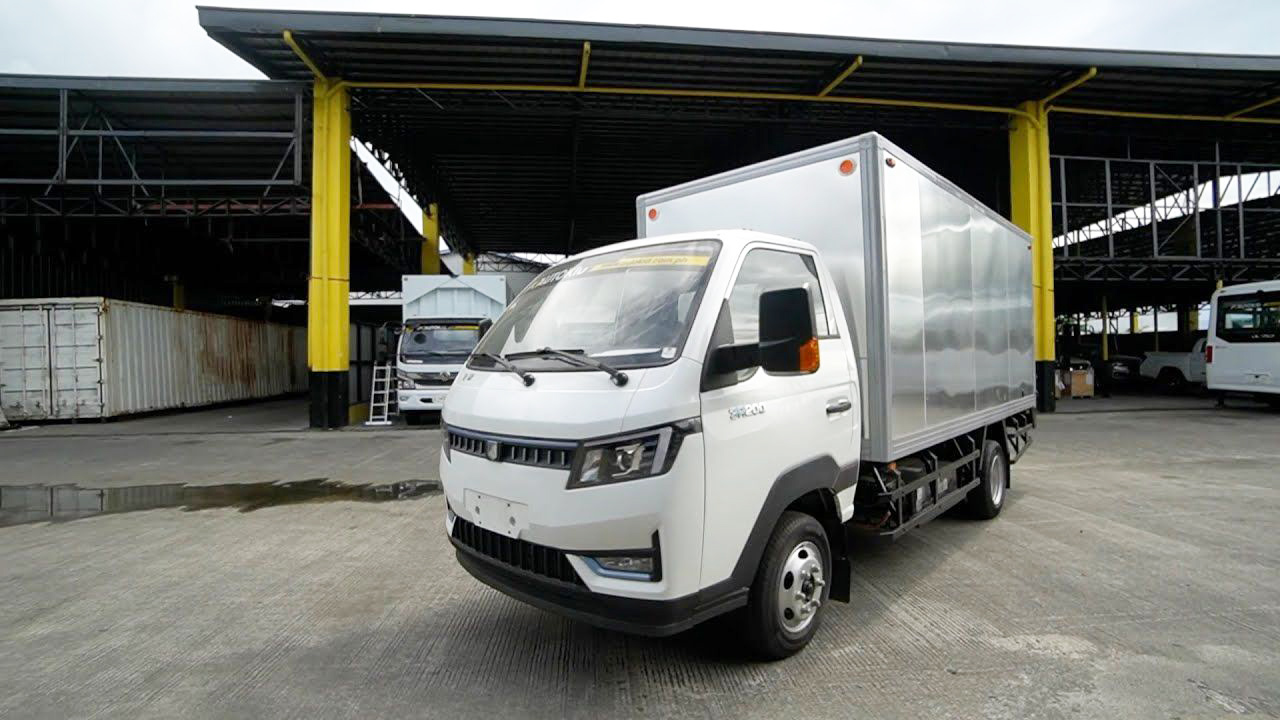
Source: Transporte Carretero